
The best neighbourhoods to rent in Luxembourg in 2026: a complete guide
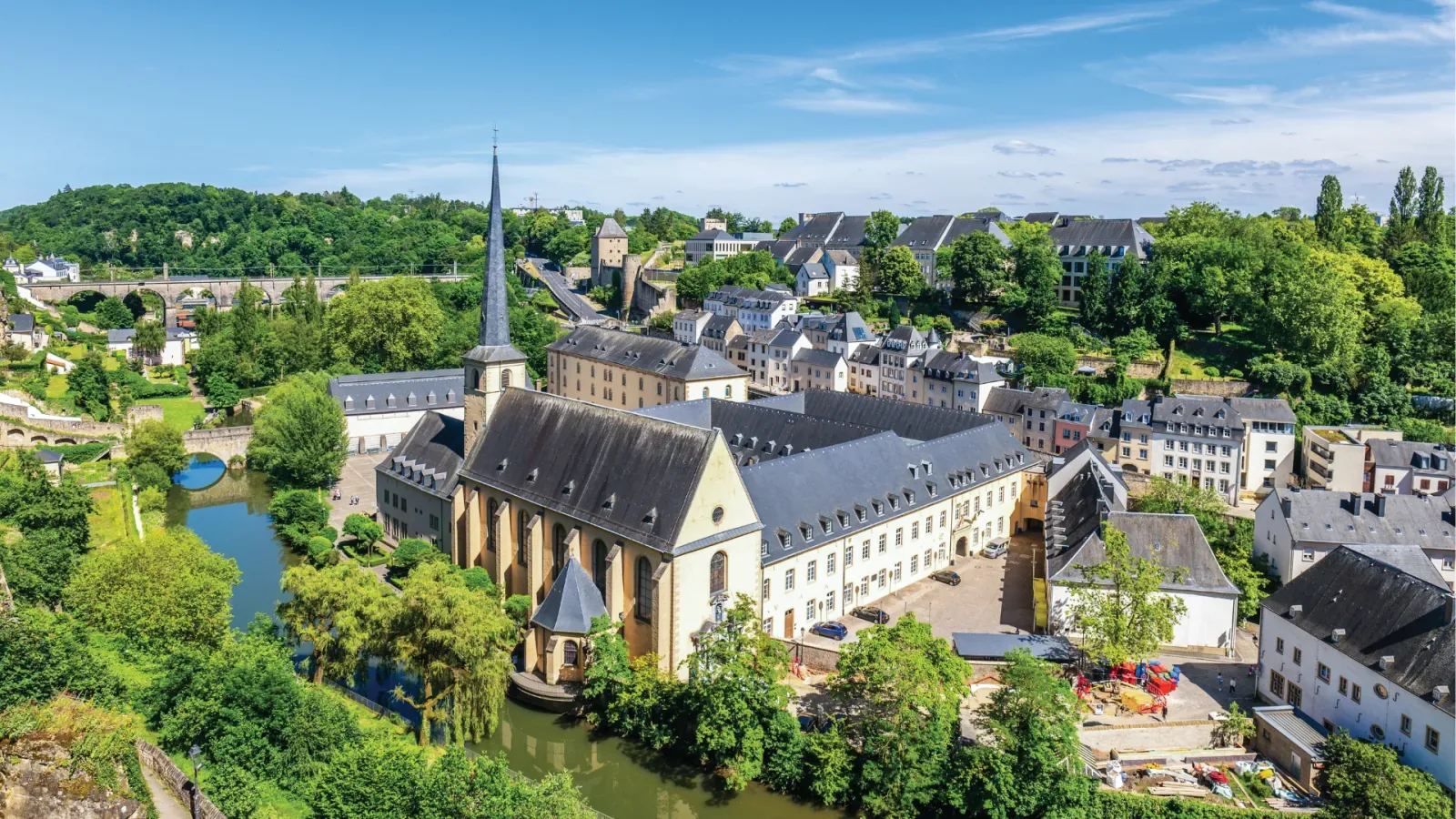
Luxembourg City is small. You can cross it in twenty minutes. That fact misleads almost everyone who moves here, because it suggests the neighbourhood you pick won't matter much — you'll be near everything either way.
You will be near everything. But the neighbourhoods differ sharply in ways that have nothing to do with distance: what your evenings look like, whether you meet people in your first month or your sixth, whether you're paying €1,900 or €3,200 for a comparable two-bedroom, and whether the building you live in was finished in 1930 or last year. Those differences are large, and they're mostly invisible from a listings page.
This guide covers seven neighbourhoods in and around Luxembourg City, with what each one is actually like to live in, who it suits, current price ranges for a two-bedroom, and the transport reality. It closes with a decision framework and a price comparison table. If you're deciding where to live in Luxembourg before you start browsing, read the areas that sound plausible and skip the rest.
Kirchberg — the institutional quarter
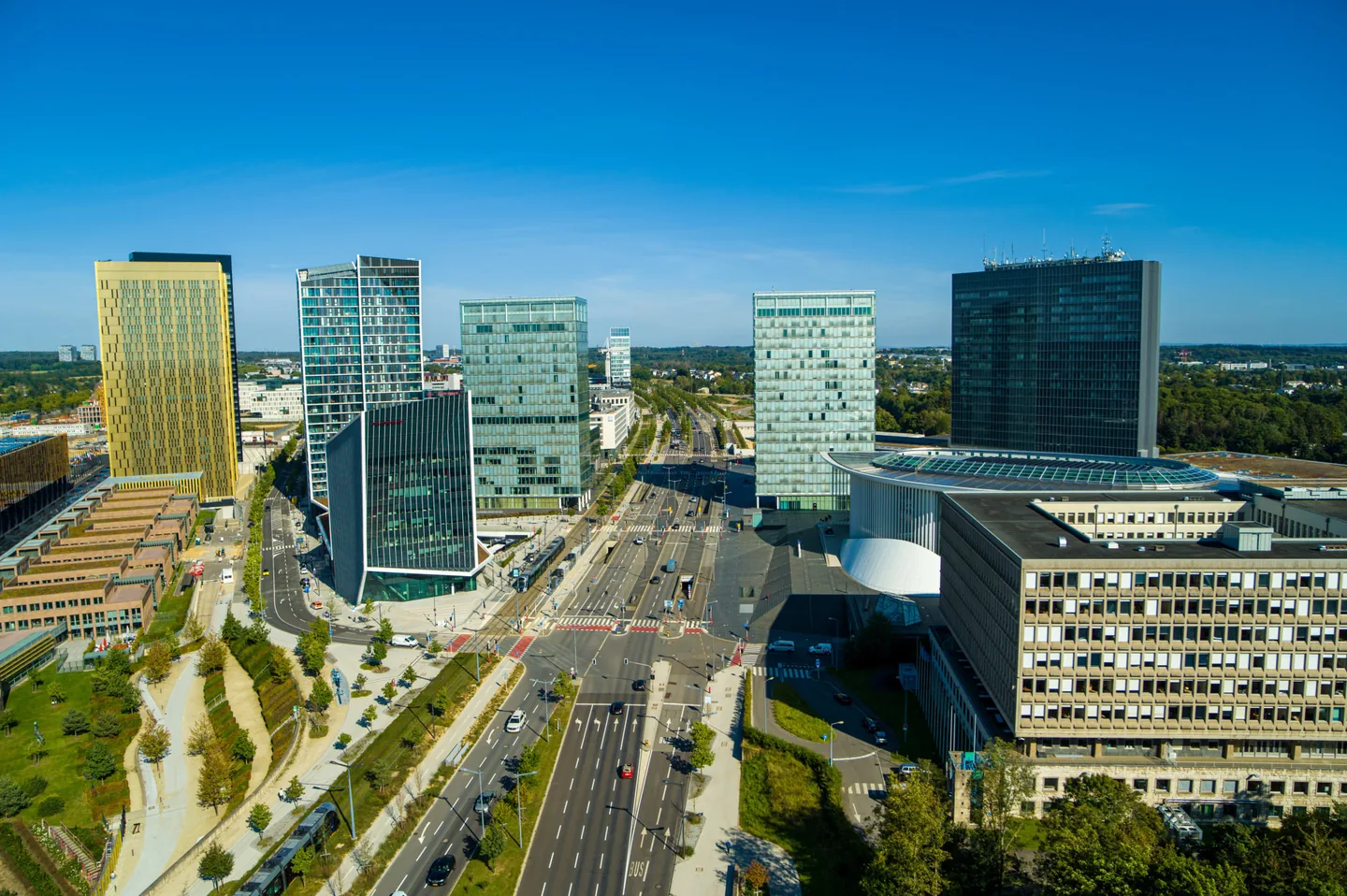
Kirchberg is the plateau north-east of the centre, and it's where a large share of Luxembourg's institutional weight sits: EU institutions, the European Court of Justice, major banks and international companies, plus the Philharmonie and MUDAM. The building stock is modern — glass, clean lines, recent construction, good insulation, lifts that work.
It suits people who want their living situation to be frictionless. If you're an EU official on a multi-year posting or a senior professional whose days are long, Kirchberg delivers: you walk to work, the tram runs straight down the spine of the plateau to the centre, and the apartments are the newest you'll find in the city.
The trade-off is atmosphere. Kirchberg empties in the evenings and on weekends. It's designed around institutions rather than around neighbourhood life, and while that's improving — Kirchberg apartments increasingly sit near retail and restaurants rather than just offices — nobody moves here for the nightlife or for chance encounters with neighbours. People who want a social landing tend to find it slow going.
Expect around €2,800–3,200 for a two-bedroom, the upper end of the market, reflecting both the newness of the stock and the proximity to employers.
Best for: EU and institutional professionals who want a work-focused routine, modern buildings and a walkable commute.
Limpertsberg — established, international, quiet
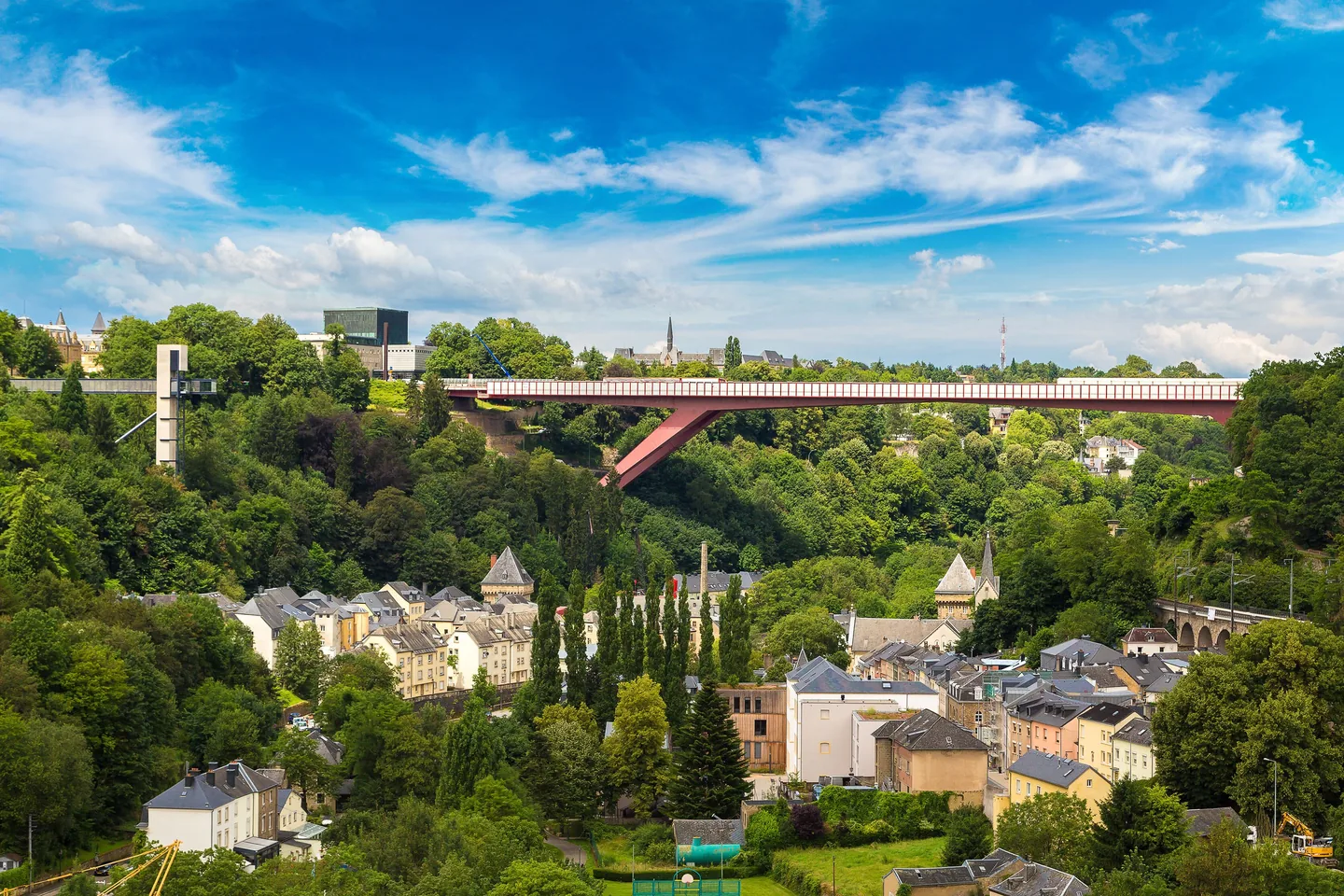
Limpertsberg sits on the ridge just north-west of the city centre, and it's the closest Luxembourg has to a settled international neighbourhood. The French lycées are here, which anchors a long-standing francophone community, and the housing is largely older — handsome townhouses and pre-war apartment buildings rather than new build.
What makes Limpertsberg distinctive is that you can walk into the centre in ten to fifteen minutes and still live somewhere genuinely quiet. Tree-lined streets, low traffic, the Glacis square hosting the market and the funfair. It's residential in the proper sense: people stay for years, shops know their customers, and the pace is unhurried.
That combination is expensive. Limpertsberg runs to roughly €3,000–3,500 for a two-bedroom, the top of the plateau districts. You're paying for location and for a kind of establishedness that newer districts can't manufacture. Families with school-age children and professionals who want calm within walking distance of everything tend to find it worth the premium. Anyone on a tighter budget will find better value elsewhere.
Best for: Families with children in the French school system, and professionals who want quiet, walkability and older character housing.
Belair — residential and family-first
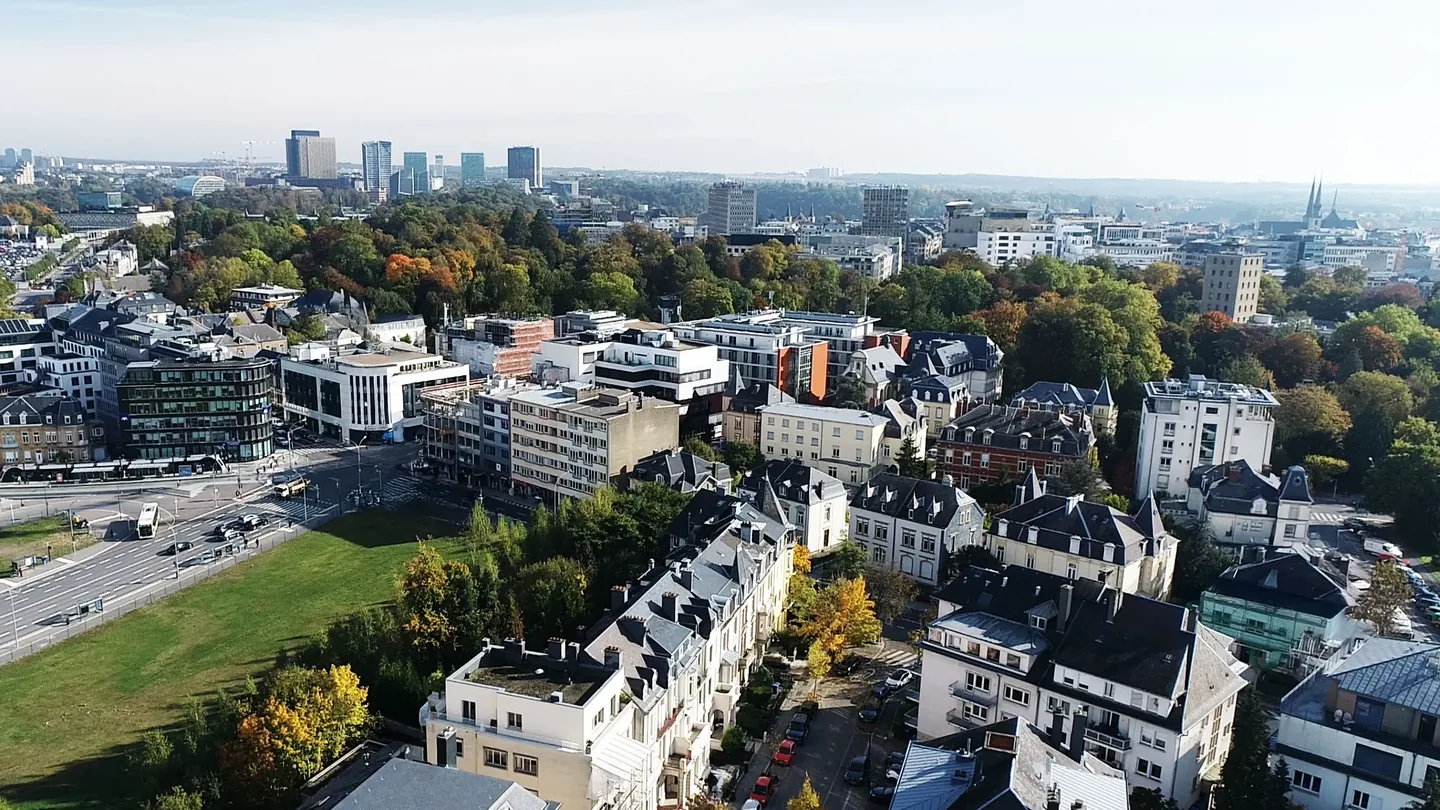
Belair, west of the centre, shares Limpertsberg's character — quiet, green, residential — at a higher price. It's one of the most consistently family-oriented districts in the city, with parks, a settled population and very little through traffic.
The character is calm to the point of sleepy, which is exactly what its residents want. This is a neighbourhood of school runs, weekend markets and people who've been in the same apartment for a decade. There's less turnover than in Bonnevoie or Gare, which means fewer listings come up, and the ones that do tend to be taken by people who already know the area.
Pricing is the highest in this guide — above the plateau districts, not level with them.
Expect around €5,850–6,900 for a two-bedroom.
Best for: Families and anyone prioritising quiet, green space and a stable residential setting over nightlife or proximity to the station.
Bonnevoie — the best price-to-quality balance
If someone asks where to live in Luxembourg without giving any other information, the answer is Bonnevoie.
It sits just south-east of the station, and it does something no other district in this guide manages: it combines genuinely competitive pricing with a real, populated, social neighbourhood. Rents run roughly 15–20% below the city average — around €1,800–2,500 for a two-bedroom, and rooms from about €620–800 per month. For the same money that buys a modest studio on the plateau, you get a proper apartment here.
The atmosphere is young, dynamic and genuinely multicultural — Portuguese, Italian, Cape Verdean, French and a steady flow of international arrivals. Cafés that aren't chains, an actual high street in Rue de Bonnevoie, a park, small restaurants where you'll end up a regular. People who move to Luxembourg worrying about social isolation — a real and common problem here — integrate faster in Bonnevoie than almost anywhere else.
Transport is straightforward: a short walk from the station, multiple bus lines, connected to the tram network. Nothing in the city is more than twenty-five minutes away.
The honest caveat is that Bonnevoie is uneven. Some streets are lovely, some are ordinary, and the building stock varies more than in Kirchberg or Belair. It's worth looking at the specific street, not just the district.
Best for: Young professionals and newcomers who want value, social life and fast integration.
Gare — transport hub and cross-border base
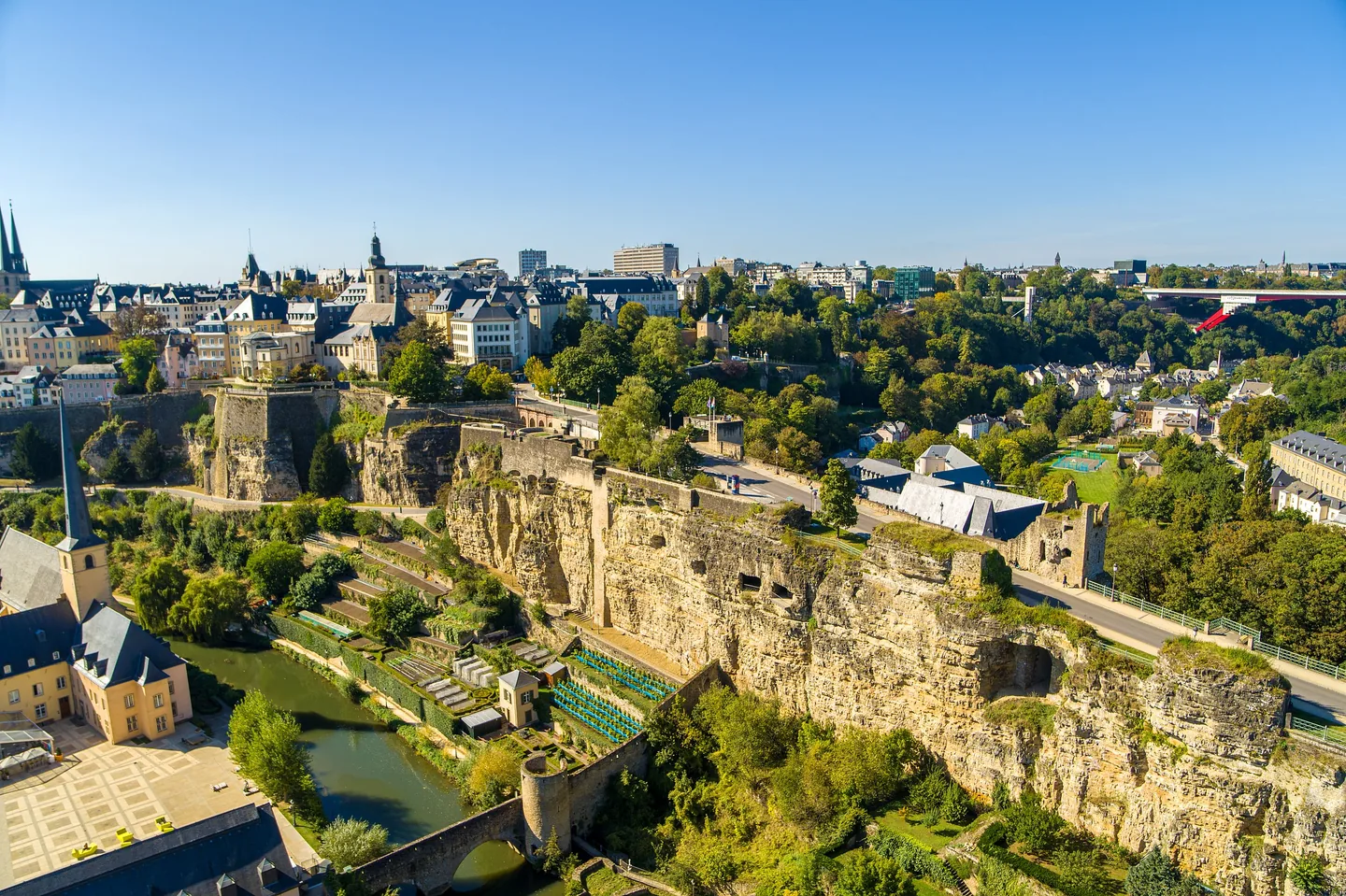
The Gare district wraps around the central station, and its defining feature is obvious: you can be in Metz, Trier, Thionville, Arlon or Brussels without ever getting in a car. For cross-border workers, or for anyone whose life involves regular travel to France, Belgium or Germany, that's decisive.
It's the densest and busiest part of the city, more urban in feel than anywhere else covered here. Restaurants from everywhere, late opening hours, constant movement. It also has the character you'd expect of a station district in any European city — parts of it are scruffier than the plateau, and it's the one area where opinions diverge most sharply. Some find it alive; others find it too much.
Pricing is one of the more accessible ranges in the city at around €1,800–2,500 for a two-bedroom, similar to Bonnevoie but with a more urban trade-off.
Best for: Cross-border workers, frequent travellers, and young professionals who want an urban, well-connected base.
Hollerich — changing fast
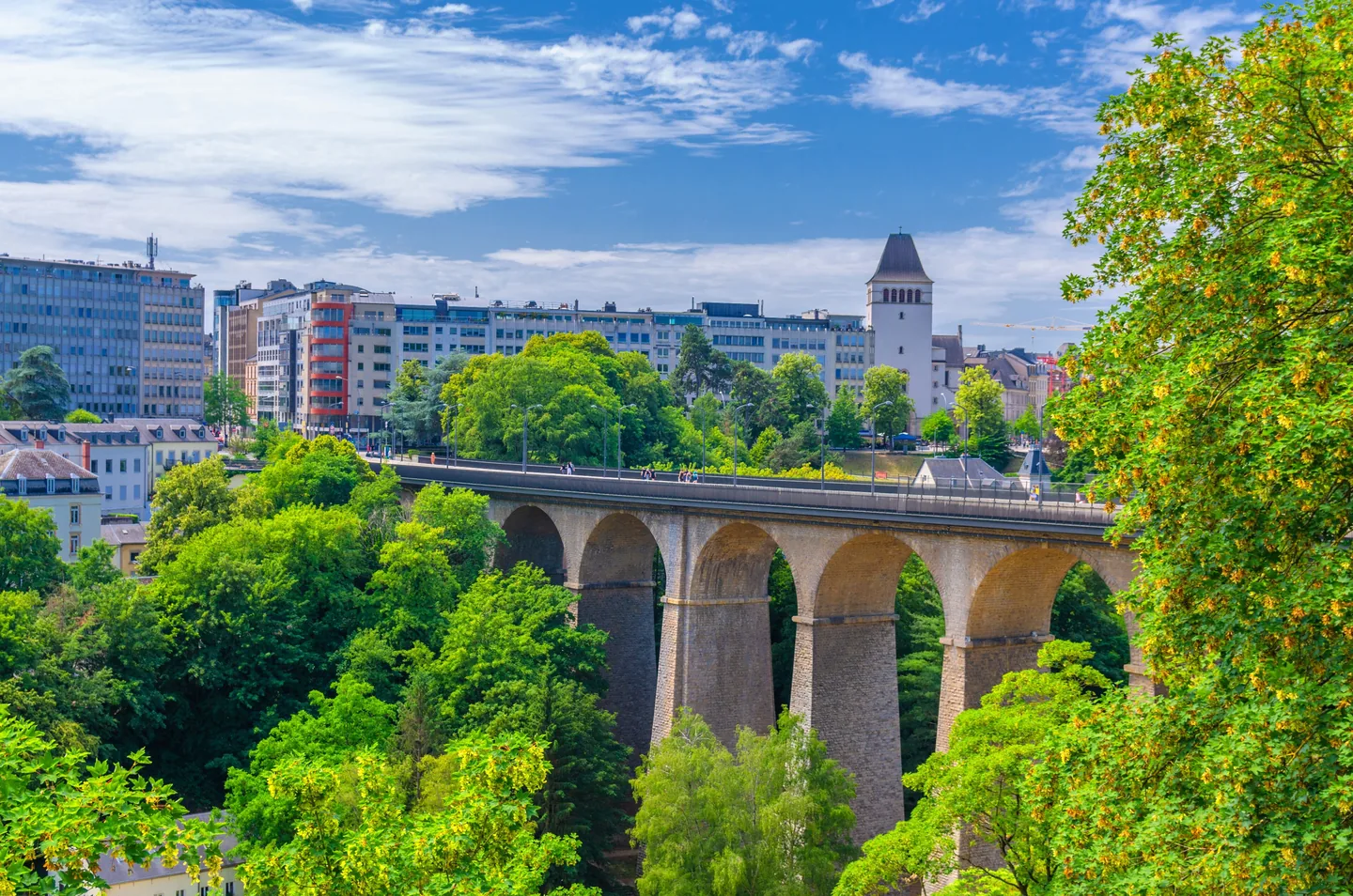
Hollerich, west of the station, is the district most visibly in transition. It grew up as an industrial and commercial area, and much of that fabric is still there — workshops, warehouses, wide roads — but conversions and new development are steadily changing the picture.
That makes Hollerich a reasonable bet for people who don't mind a neighbourhood mid-transformation. The upside is newly built and converted space inside the city boundary, with good bus and tram links and short access to both the station and Cloche d'Or. The downside is that Hollerich isn't yet a finished neighbourhood — the residential texture is thinner than Bonnevoie's, and evening life is patchier.
A two-bedroom runs about €5,850 a month.
Best for: Renters who want newly converted space inside the city and don't need a polished neighbourhood.
Gasperich — new build and the Cloche d'Or effect
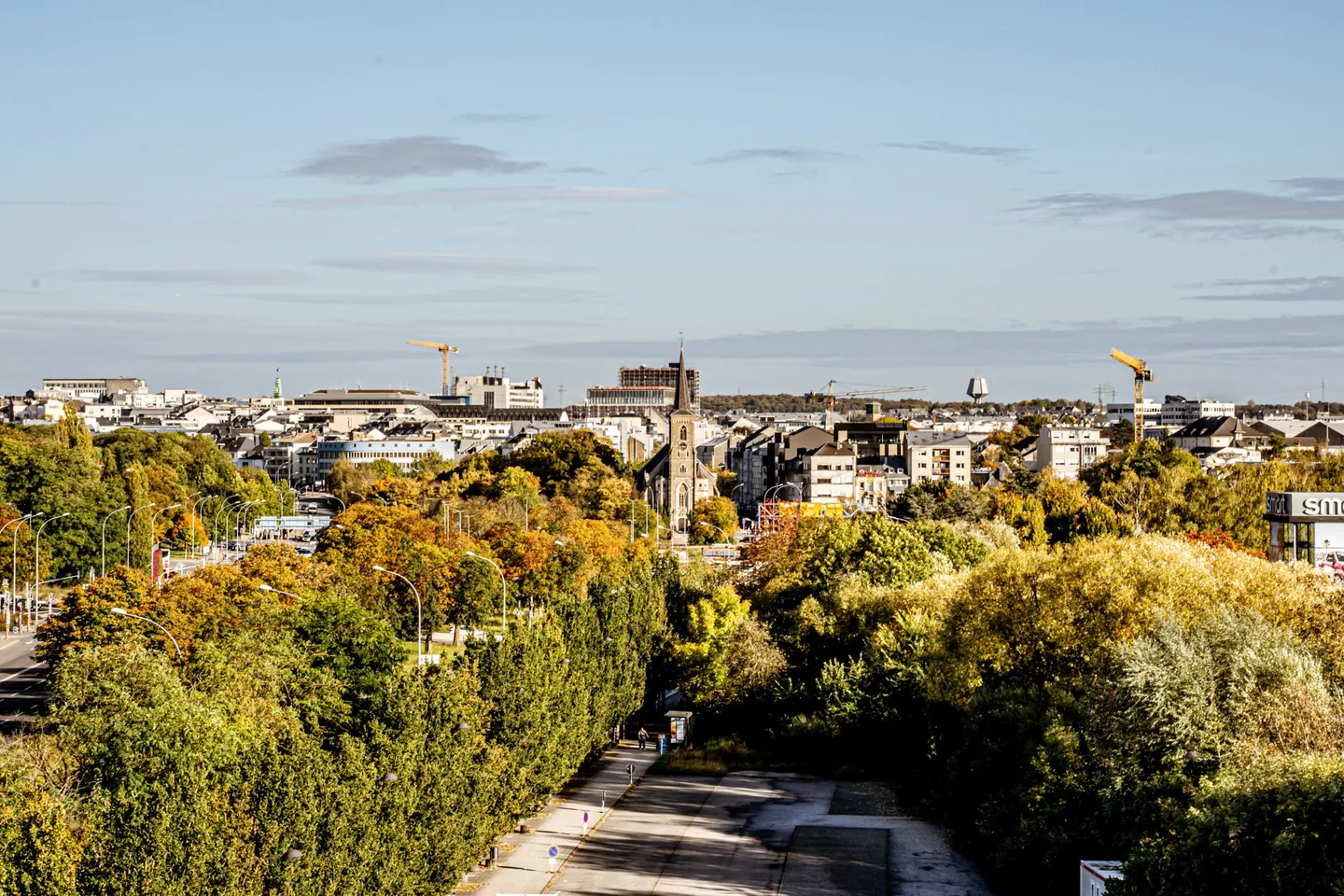
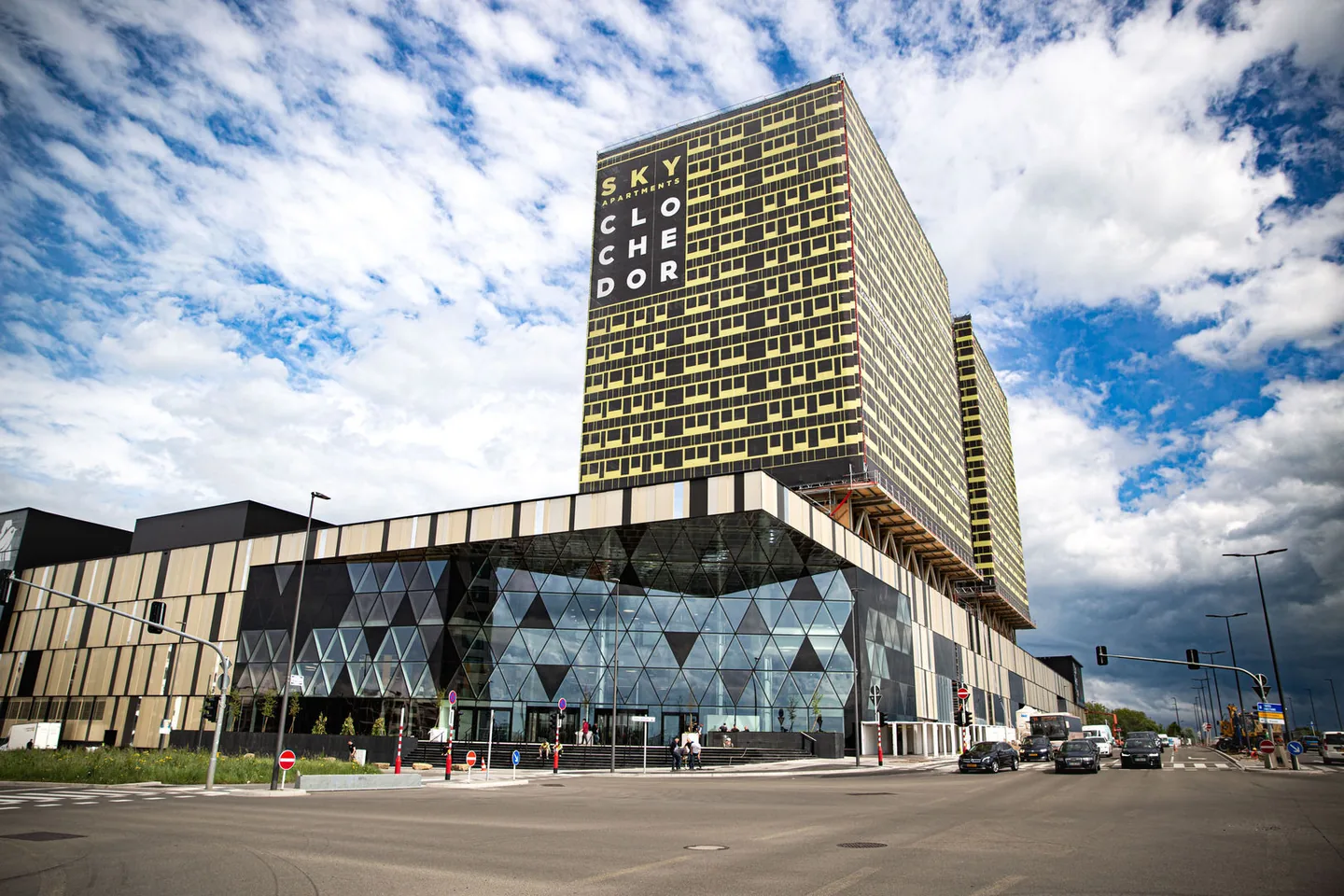
Gasperich has changed more than any other district on this list, and the reason is Cloche d'Or: a large business quarter developed to the south of the city, now home to significant finance, consulting and professional services employers, along with a major shopping centre and a new park.
The residential development around it is correspondingly new. If you want a recently built apartment — proper insulation, modern kitchen, underground parking, lift — Gasperich has more of that stock than anywhere except Kirchberg, and at a lower price point. It sits at roughly €2,200–2,800 for a two-bedroom, positioning it as the middle option between value districts and the premium plateau.
It suits families and finance and consulting professionals in roughly equal measure. The area is quieter and more residential than the centre, works well with children, and the tram extension has made the connection into town straightforward. As with Kirchberg, the honest note is that a district built recently and quickly takes time to develop character — Gasperich is comfortable rather than charming, and that suits plenty of people fine.
Best for: Finance and consulting professionals working at Cloche d'Or, and families wanting modern housing with space.
How to choose the right neighbourhood for you
Four questions, in this order.
One practical note on timing: furnished apartments in Luxembourg typically let one to three weeks faster than unfurnished equivalents. If you're arriving on a fixed date, that difference matters, and it narrows your realistic options in the last few weeks before a move.
More on the money side: how rental costs work on LuxFlat Direct.
Luxembourg rental prices by neighbourhood at a glance
Two-bedroom monthly ranges, for orientation rather than quotation. Actual pricing varies by street, building age, floor and furnishing.
| Area | 2BR range | Character | Best suited to |
|---|---|---|---|
| Kirchberg | €2,800–3,200 | Modern, institutional, quiet evenings | EU and institutional professionals |
| Limpertsberg | €3,000–3,500 | Established, international, residential | Families, French school system |
| Belair | €5,850–6,900 | Quiet, green, family-first | Families wanting calm |
| Gasperich | €2,200–2,800 | New build, Cloche d'Or proximity | Finance and consulting, families |
| Bonnevoie | €1,800–2,500 | Young, multicultural, social | Young professionals, newcomers |
| Gare | €1,800–2,500 | Urban, dense, exceptionally connected | Cross-border workers, travellers |
| Hollerich | €5,850 | In transition, industrial heritage | Renters wanting new or converted space |
Picked an area? Browse furnished apartments in Luxembourg — every listing is furnished and all-inclusive, with stays from 1 to no limit.
New to the platform? Here's how renting directly works.
Frequently asked questions
Related articles